Easter Watercolor Wreath
As an embroidery designer with years of experience, I’ve seen my fair share of digital designs—some that shine in real-world applications and others that fall flat. The Easter Watercolor Wreath is one that feels like it was made for practical use, not just aesthetic appeal. It’s a versatile design that could fit into a wide range of projects, from custom apparel to holiday gifts. But like any good design, its success depends on how you approach it.
First Impressions: A Soft, Playful Mood
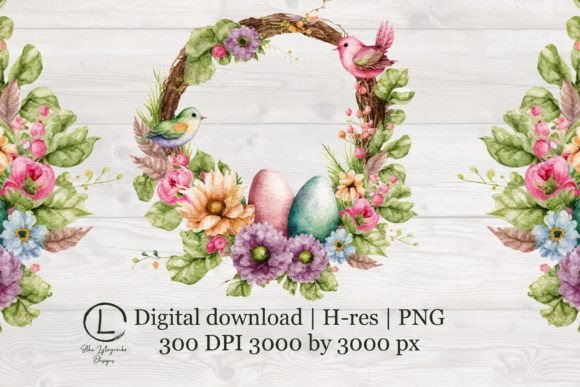
The Easter Watercolor Wreath immediately gives off a gentle, whimsical vibe. The soft pastel tones and flowing floral elements create a sense of calm, making it ideal for springtime or Easter-themed projects. The layout is balanced, with enough detail to feel rich without being overwhelming. It’s the kind of design that would work well on baby items, personalized gifts, or even as part of a boutique product line.
This isn’t a high-contrast, bold design. It’s more about subtlety and elegance. That means it may not be the best choice for something that needs to stand out at a distance, but for close-up details or smaller projects, it shines.
Real-World Embroidery Use Cases
When I think about where the Easter Watercolor Wreath would fit best, I imagine it on a custom tote bag, a sweatshirt, or maybe even a baby onesie. Its watercolor style lends itself well to handmade products that feel personal and artistic. It could also be used as an embroidered patch for jackets or bags, adding a touch of springtime flair.
For small business owners, this design could be a great addition to an Etsy shop or craft fair booth. It has the potential to appeal to customers looking for unique, handmade items that feel special. However, it’s important to consider how the design will translate to different fabrics and sizes.
Where to Be Careful: Practical Considerations
While the Easter Watercolor Wreath is visually appealing, there are some areas where caution is needed. If you’re working with small hoop sizes, you might find that the design’s intricate details become too delicate to stitch properly. Similarly, on textured or stretchy fabrics, the design might not sit as smoothly as it does on a smooth, stable surface.
Thin or dark fabrics can also be tricky. The design’s softer colors may not show up well on dark backgrounds, and on thin materials, the stitching could appear too heavy or cause the fabric to pucker. For these reasons, it’s always a good idea to test the design on scrap fabric before committing to a full project.
Another thing to keep in mind is the stitch density. If the design is too dense, it could lead to stiff areas in the fabric, especially on items that need to be worn or washed frequently. You’ll want to review the stitch density and adjust if necessary, depending on the type of project you’re working on.
Impact on Visual Appeal and Customer Perception
The Easter Watercolor Wreath has a strong visual appeal when stitched correctly. It adds a soft, artistic touch that can elevate the look of any finished product. Whether it’s on a pillow cover, a tea towel, or a custom cap, it brings a sense of creativity and care to the piece.
From a customer perspective, this design could be a hit for personalized gifts or holiday items. People often appreciate the effort that goes into handmade or custom embroidery, and this design offers that without being overly complex. It’s the kind of design that makes a gift feel thoughtful and unique.
However, it’s important to ensure that the design aligns with your brand’s overall aesthetic. If your shop or business leans toward bold, modern styles, this might not be the best fit. But for a more artistic or vintage-inspired brand, it could be a perfect match.
Embroidery Designer Notes: Key Tips for Success
Before jumping into using the Easter Watercolor Wreath, here are a few tips to keep in mind:
- Test on scrap fabric first: This will help you see how the design looks in real life and identify any issues early on.
- Check thread color contrast: Make sure the colors you choose will stand out against the fabric you’re using.
- Review stitch density: Adjust as needed to avoid stiffness or puckering, especially on delicate fabrics.
- Confirm hoop size: Ensure the design fits within your machine’s hoop limitations, especially if you're working with larger pieces.
- Inspect small details: Pay attention to corners and fine lines to make sure they come through clearly in the final stitch.
- Test in black and white mockups: This helps you see how the design will look without color, which is useful for different fabric backgrounds.
- Compare light and dark fabric backgrounds: The design may need adjustments depending on the color of the fabric.
- Use proper stabilizer: This is essential for keeping the design from shifting or distorting during stitching.
- Check licensing: Make sure the design is suitable for both personal and commercial use before selling finished items or digital products.
Final Thoughts: A Design Worth Considering
The Easter Watercolor Wreath is a design that offers both beauty and versatility. It’s not the most dramatic or high-contrast option, but it has a charm that can work well in a variety of embroidery projects. Whether you’re creating custom apparel, personalized gifts, or small shop merchandise, this design has the potential to add a touch of elegance and creativity.
Like any embroidery file, its success depends on how you apply it. With careful consideration of fabric type, stitch density, and placement, the Easter Watercolor Wreath can become a valuable asset in your design toolkit. It’s a great example of how a well-crafted illustration can translate into a meaningful, usable embroidery project.