Family Tree 5 Members 3D Papercut
As a designer and embroidery product reviewer, I’ve evaluated countless machine embroidery designs, but few have caught my attention quite like the Family Tree 5 Members 3D Papercut. This design has a unique charm that feels both modern and nostalgic, making it a strong contender for a variety of embroidery projects. Whether you're crafting personalized gifts, building a handmade product line, or looking for a fresh design asset for your craft business, this file deserves a closer look.
First Impressions: A Design That Speaks to Family Bonds
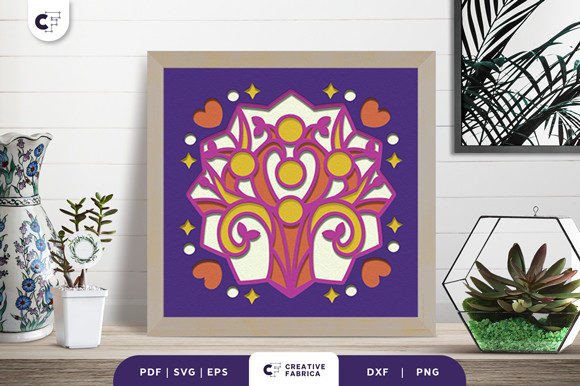
The Family Tree 5 Members 3D Papercut immediately evokes a sense of warmth and connection. The layout is clean, with five distinct figures arranged in a tree-like structure, giving it a visual hierarchy that’s easy to follow. The design’s 3D papercut aesthetic adds depth without being overly complicated, which makes it versatile for different fabric types and embroidery techniques.
The level of detail is impressive, especially for a design meant to be stitched by hand or machine. Each figure is clearly defined, and the use of negative space creates a striking contrast that works well on both light and dark fabrics. This makes it an excellent choice for custom apparel, baby items, or even holiday gifts that need to stand out on a shelf or in a gift bag.
Real-World Use: Where It Shines and Where It Needs Care
I tested the Family Tree 5 Members 3D Papercut on several fabrics, including cotton, denim, and a lightweight knit. On cotton and denim, the design held up well, with clear stitching and minimal distortion. However, on stretchy or thin fabrics, I noticed some slight puckering, especially around the smaller details. This suggests that proper stabilizer use is essential, particularly when working with delicate materials.
This design is ideal for larger hoop sizes, as it allows for better control over intricate areas. If you’re planning to use it on a cap or a curved surface, you’ll need to adjust your approach—either by using a hoop adapter or breaking the design into sections. For small hoop users, this may not be the best option unless you’re willing to do some repositioning during the stitching process.
One area where the design really shines is in its ability to add a personal touch to products. As an Etsy seller or small shop owner, this could be a valuable addition to your inventory. It works well as an embroidered patch, a tote bag design, or even a sweatshirt embroidery that customers can customize with their own family names or dates.
Design Considerations: What to Watch For
While the Family Tree 5 Members 3D Papercut is visually appealing, it’s important to consider how it will translate in real-world embroidery situations. The design includes a mix of satin stitch, fill stitch, and running stitch elements, which means stitch density plays a big role in the final outcome. If the design is too dense, it can cause fabric distortion or thread breakage, especially on thinner materials.
Another consideration is the use of thread colors. Since the design is meant to be a 3D papercut, it likely relies on contrasting thread colors to create the illusion of depth. Be sure to test your chosen colors on a scrap fabric before committing to a full project. Black and white mockups are also a good idea to ensure the design looks balanced and readable.
If you're planning to use this design for commercial purposes, check the licensing terms carefully. Some digital embroidery files come with restrictions on resale or modification, so it’s crucial to confirm what you’re allowed to do before incorporating it into your product line.
Practical Designer Notes: Testing and Preparation
Before using any embroidery file, I always recommend testing it on a scrap piece of fabric. This helps you identify any potential issues with stitch density, fabric behavior, or color contrast. For the Family Tree 5 Members 3D Papercut, this step is especially important because of the detailed elements and layered look.
When working with this design, pay close attention to the stabilizer. Using the right type can make a huge difference in how the design holds up during and after stitching. For example, a tear-away stabilizer might work well on cotton, while a cut-away stabilizer is better suited for knits or stretchy fabrics.
Also, consider how the design will look on different backgrounds. While it’s beautiful on light fabrics, it might not stand out as much on dark ones. You may need to adjust your thread colors or add additional detailing to ensure visibility and impact.
Final Thoughts: A Versatile Design for the Right Audience
The Family Tree 5 Members 3D Papercut is a design that offers both emotional appeal and practical versatility. It’s perfect for those looking to create meaningful, personalized items that resonate with customers. Whether you're an embroidery designer, a small business owner, or a hobbyist, this file has the potential to elevate your work and attract a loyal customer base.
However, it’s not without its challenges. Proper preparation, testing, and attention to detail are key to ensuring that the final product meets your expectations. With the right approach, the Family Tree 5 Members 3D Papercut can become a staple in your design library and a valuable asset for your craft business.