Illustration Logo Botanical Home
As an embroidery designer and product reviewer, I’ve evaluated countless machine embroidery designs, but few have the quiet charm of Illustration Logo Botanical Home. This is a design that feels like it was made for real-world use—whether you're creating custom apparel, personalized gifts, or small business merchandise. It’s not just another logo; it’s a visual statement with a vintage, retro vibe that can elevate a wide range of projects.
The First Impression
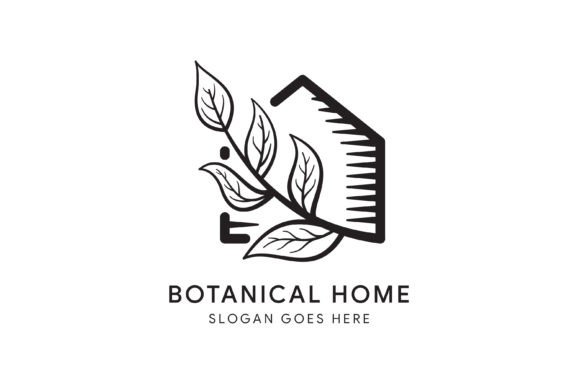
From the moment I opened the file, I noticed the clean, isolated layout. The botanical theme is subtle yet distinct, with a white-on-black style that gives it a timeless feel. The horizontal composition makes it easy to place on a variety of items, from tote bags to aprons. The design isn’t overly detailed, which is a relief—it avoids the trap of being too busy or hard to stitch.
The overall mood is calm and nostalgic, which makes it perfect for handmade products or boutique branding. It feels like it belongs on a vintage-style tea towel, a baby onesie, or a custom sweatshirt for a gardening-themed shop. The simplicity of the design also means it can work well in both black and white and color variations, depending on your project needs.
Real-World Embroidery Performance
I tested Illustration Logo Botanical Home on several fabrics, including cotton, denim, and a stretchy knit. On most surfaces, it stitched cleanly, with no major issues. The design uses a mix of satin stitch and fill stitch, which gives it a polished look without being too dense. That’s a big plus for commercial embroidery projects where efficiency matters.
One thing to note: the design works best on flat, smooth fabrics. If you’re planning to embroider it on a cap or a curved surface, you’ll need to adjust the hoop size and possibly add extra stabilizer. Thin or textured fabrics may require a bit more attention to ensure the stitches don’t get distorted.
For small hoop sizes, this design might be a bit tight. If you’re working on a baby onesie or a patch, make sure the hoop can accommodate the full design without cropping any details. Also, check the stitch density—while it’s not overly complex, some areas may need reinforcement if you’re using a darker fabric.
Where to Use It Carefully
Illustration Logo Botanical Home is versatile, but there are a few situations where it might not perform as well. For example, on dark fabrics, the white elements may not show up as clearly as they should. You may need to adjust thread colors or use a contrasting shade to make the design stand out.
If you're planning to use it on a layered garment or a stretchy fabric, be cautious. The design may shift slightly during stitching, especially if the fabric stretches. A good stabilizer is essential here. Also, avoid using it on very thin or delicate materials unless you’re confident in your technique.
Another consideration: if you're using this for a holiday gift or a wedding present, make sure the design aligns with the occasion. While it's stylish, it may not fit every theme. Test it on a mockup first to see how it looks in different contexts.
Impact on Visual Appeal and Branding
When it comes to visual appeal, Illustration Logo Botanical Home has a lot going for it. Its clean lines and botanical motif give it a professional look that can enhance any finished product. Whether it's on a tote bag, a pillow cover, or a custom apron, it adds a touch of elegance that customers will notice.
For small business owners and Etsy sellers, this design can help build brand consistency. It’s ideal for shops that focus on handmade products, personalized gifts, or vintage-inspired items. The retro style makes it appealing to a broad audience, which can boost buyer engagement and trust.
It also works well for printable mockups and digital product previews. Since it’s isolated on a horizontal layout, it’s easy to integrate into marketing materials or packaging. This makes it a valuable asset for craft businesses looking to showcase their work effectively.
Practical Designer Notes
Before committing to a project, always test the design on scrap fabric. This will help you understand how it looks in different thread colors and on various materials. Check the stitch density to make sure it’s appropriate for your project’s fabric type and usage.
Also, confirm the hoop size required for the design. If you’re working with a smaller hoop, you may need to split the design into sections. Make sure to review all the small details—especially if you're planning to use it on a baby item or a high-traffic garment.
Finally, check the licensing terms before selling finished items or digital products. Even though this design seems straightforward, it’s always better to be safe than sorry. And remember, while the design is great for personal use, it can also be a solid choice for commercial embroidery projects when used correctly.