Palm Tree Svg, Tropic Svg, Floral Svg
As a designer and embroidery product reviewer, I often find myself evaluating digital files for real-world use. The Palm Tree Svg, Tropic Svg, and Floral Svg designs are no exception. These files offer a tropical aesthetic that could work well in a variety of embroidery projects, but they also come with considerations that every designer and small business owner should be aware of before jumping into production.
First Impressions: A Tropical Escape in Digital Form
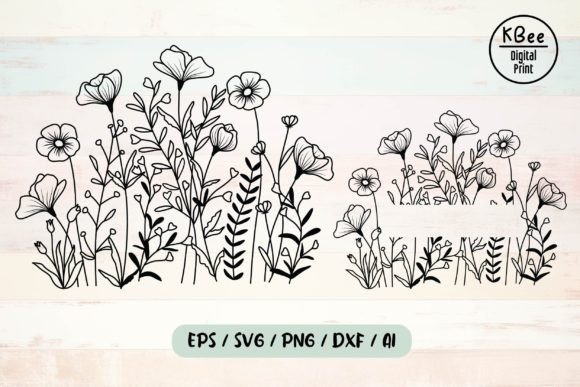
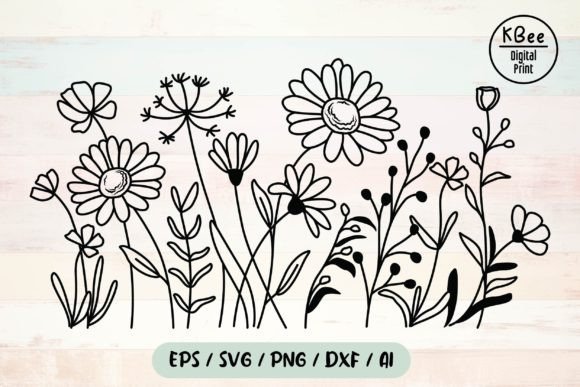
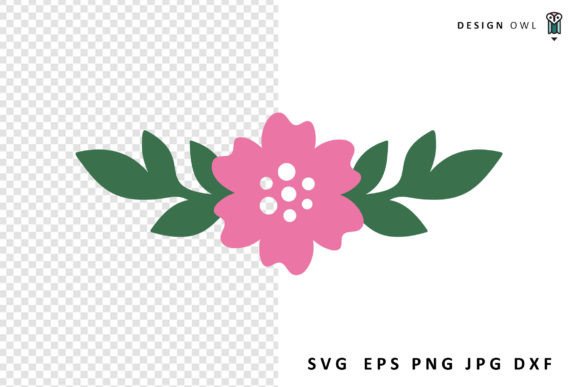
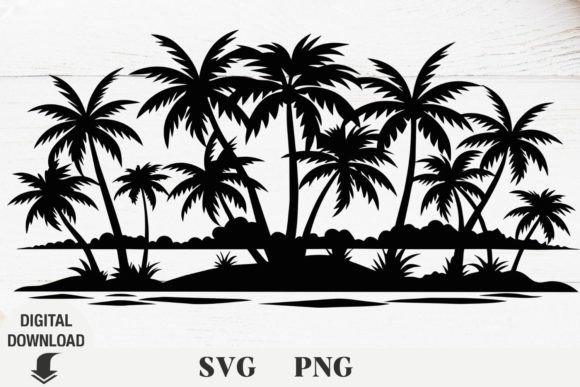
The first thing that stands out about these designs is their visual mood. The Palm Tree Svg brings a sense of relaxation and vacation vibes, while the Tropic Svg adds a more abstract, patterned feel. The Floral Svg, on the other hand, offers a classic, elegant touch that can fit into many styles. Together, they create a cohesive set that feels both versatile and thematic.
The layout of each design is clean and well-structured, making them suitable for a range of applications. The level of detail is moderate, which means they’re not overly complex but still have enough definition to look good when stitched. This makes them ideal for projects where clarity and simplicity are key, such as custom apparel or home decor items.
Real-World Embroidery Performance
When it comes to actual embroidery, these designs perform well on most standard fabrics. They work best on medium-weight materials like cotton, canvas, or light denim. However, there are a few things to keep in mind. For instance, if you're planning to use them on a sweatshirt or tote bag, you’ll want to make sure the hoop size is appropriate. These designs aren’t overly large, but they do require a bit of space to stitch cleanly without crowding.
One area where these designs might need extra attention is on textured or stretchy fabrics. The floral elements, in particular, could become distorted if the fabric stretches during stitching. It’s always a good idea to test the design on a scrap piece of the intended fabric before committing to a full project.
For baby items or delicate garments, the designs hold up well, but you’ll want to ensure that the stitch density isn’t too high. Too much stitching can make the fabric stiff or uncomfortable. Similarly, on dark fabrics, the thread colors may need to be adjusted to ensure visibility and contrast.
Where to Use With Caution
While these designs are generally easy to work with, there are some scenarios where caution is needed. Small hoop sizes, for example, might not accommodate the full design, especially if you're working on a curved surface like a cap or a hat. In such cases, you may need to break the design into sections or adjust the placement.
Another consideration is the use of these designs on layered garments or items that require frequent washing. If the design includes intricate details or multiple stitches, it could be prone to fraying or fading over time. Always check the recommended care instructions for the finished product and consider using a proper stabilizer to support the embroidery.
For commercial use, it's important to confirm the licensing terms. While the product description mentions that the files are for personal and commercial use, it’s always wise to double-check the specific terms provided by the seller. This ensures that you’re compliant and avoid any potential issues down the line.
Impact on Visual Appeal and Customer Perception
These designs can significantly enhance the visual appeal of a handmade product. When stitched correctly, they add a touch of personality and style that can make a difference in how customers perceive your work. A well-executed Palm Tree Svg on a tote bag or a Tropic Svg on a sweatshirt can elevate the overall look and make the item more desirable.
Stitching clarity is another factor to consider. The designs are structured in a way that allows for clear, defined stitches, which is essential for maintaining professionalism. Whether you're selling on Etsy, at a craft fair, or running a small shop, the quality of the embroidery can directly impact customer trust and repeat business.
From a branding perspective, these designs can help create consistency across your product line. Using a tropical theme in multiple items—like aprons, pillow covers, or holiday gifts—can reinforce your brand identity and make your offerings more recognizable.
Practical Designer Notes
Before using these designs in your projects, here are a few practical tips to keep in mind:
- Test on scrap fabric: Always try the design on a sample of the material you plan to use. This helps identify any issues with stitch density, thread color, or fabric compatibility.
- Check thread color contrast: Ensure that the chosen thread colors stand out against the fabric. On dark backgrounds, lighter threads may need to be adjusted for better visibility.
- Review stitch density: Avoid overly dense areas that could cause stiffness or distortion. Adjust the settings as needed to maintain comfort and durability.
- Confirm hoop size: Make sure the design fits within your machine’s hoop dimensions. If not, consider splitting the design or adjusting the layout.
- Inspect small details: Pay attention to intricate parts of the design, especially if they include tiny lettering or delicate patterns.
- Test in black and white mockups: This helps assess how the design will look on different fabric colors and can reveal any hidden issues.
- Compare light and dark fabric backgrounds: Some designs may look great on one color but not on another. Always test both.
- Use proper stabilizer: This is crucial for maintaining the integrity of the design, especially on stretchy or thin fabrics.
- Check for commercial use: Confirm the licensing terms before selling finished products or digital files.
- Verify compatibility: Make sure the file formats (SVG, PNG) work with your embroidery software and machine.
Final Thoughts: A Versatile Addition to Your Design Library
The Palm Tree Svg, Tropic Svg, and Floral Svg designs offer a unique blend of style and functionality. They’re well-suited for a variety of embroidery projects, from custom apparel to personalized gifts and small shop merchandise. However, their success depends on careful consideration of fabric type, hoop size, and stitch settings.
As a designer, I appreciate the thoughtfulness behind these files. They’re not just pretty images—they’re tools that can be used to create meaningful, high-quality handmade products. Whether you're an Etsy seller, a craft business owner, or a hobbyist, these designs have the potential to add value to your offerings, provided you take the time to understand their strengths and limitations.