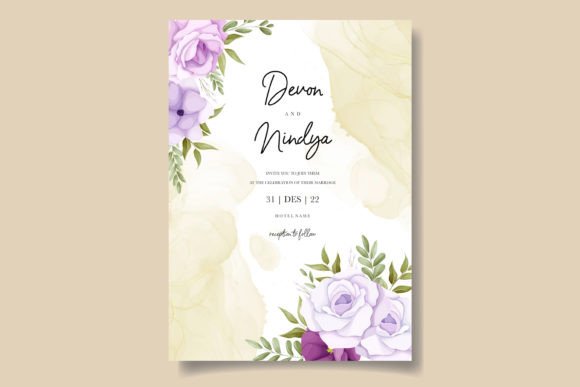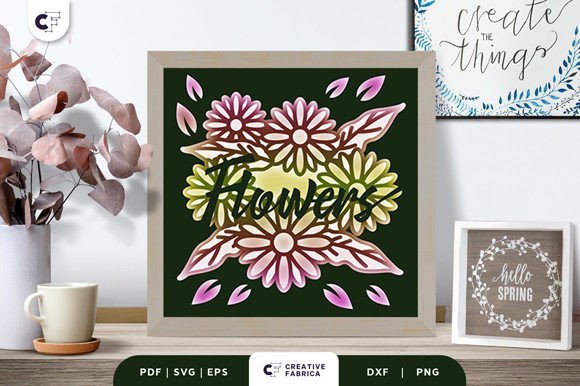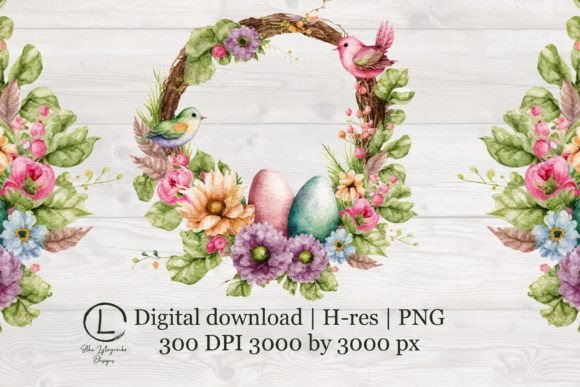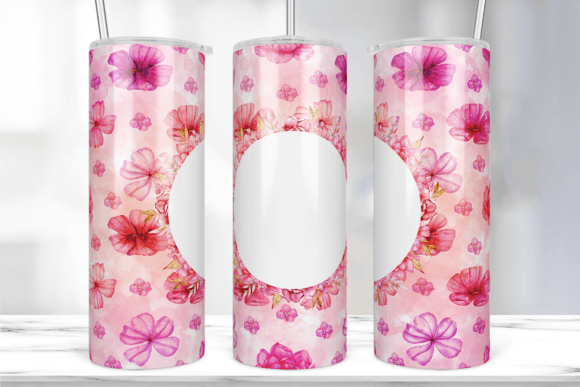
Watercolor Wild Flowers
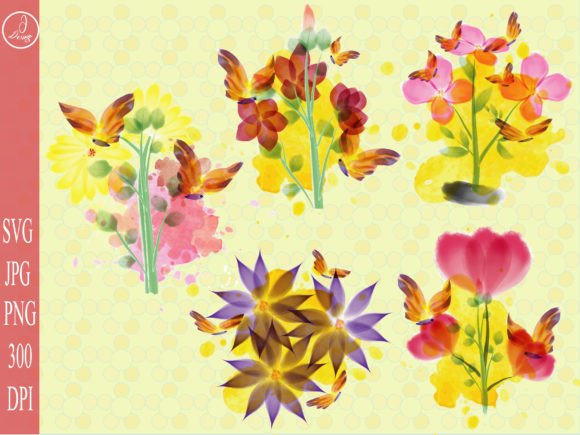
As an embroidery designer and product reviewer, I often find myself evaluating new designs with a critical eye—especially when they’re meant for real-world use. Watercolor Wild Flowers is one such design that caught my attention. It’s a floral illustration that feels hand-painted, with soft, flowing lines and a dreamy aesthetic. The first thing I noticed was the mood it creates: calm, whimsical, and slightly nostalgic. It’s perfect for projects that aim to evoke a sense of nature and gentle beauty.
What Makes Watercolor Wild Flowers Stand Out?
The layout of Watercolor Wild Flowers is clean and balanced. It doesn’t feel cluttered, which is a big plus for embroidery work where too much detail can become overwhelming. The shape of the flowers and their placement give it a natural flow, making it versatile enough for a variety of applications. Whether you're working on a tote bag, a baby onesie, or a holiday gift, this design has the potential to fit well without feeling forced.
The level of detail is moderate. There are enough elements to make the design visually interesting but not so many that it becomes difficult to stitch. This makes it ideal for both beginners and experienced embroiderers looking for something that’s not too complex but still meaningful.
Real-World Use Cases for Watercolor Wild Flowers
I imagine using Watercolor Wild Flowers on a custom embroidered tote bag for a boutique shop. The soft colors and flowing lines would look great on a light-colored fabric, adding a touch of elegance without being too bold. It could also work well as a sweatshirt embroidery, especially for a seasonal collection focused on spring or summer themes.
For baby items, like onesies or blankets, the design feels gentle and appropriate. It’s not too busy, which is important when creating products for sensitive skin or small children. As an embroidered patch, it would add a handmade touch to jackets, backpacks, or even pet accessories.
Another scenario where Watercolor Wild Flowers shines is in holiday gifts. Imagine a personalized kitchen towel or a pillow cover with this design. It adds a personal, artistic flair that customers would appreciate, especially during the holiday season.
Where to Be Careful With Watercolor Wild Flowers
While Watercolor Wild Flowers is a beautiful design, there are some situations where it might not perform as well. For instance, if you’re working with small hoop sizes, the design might be too large to fit comfortably. That could lead to stitching issues or an uneven result.
On textured fabrics or thin materials, the design might not show up as clearly. It’s important to test it on the intended fabric before committing to a full project. Similarly, stretchy or dark fabrics could affect how the design looks, especially if the thread color doesn’t contrast well.
If you’re planning to use it on curved surfaces like caps or hats, you’ll need to ensure the design is compatible with those shapes. Some embroidery files aren’t designed for curved areas, and that could lead to distortion or poor stitch placement.
How Watercolor Wild Flowers Impacts Your Projects
From a visual standpoint, Watercolor Wild Flowers adds a unique and artistic element to any project. It can elevate the overall appeal of your handmade products, making them stand out in a crowded market. Customers often look for designs that feel personal and meaningful, and this one delivers that.
In terms of stitching clarity, the design is relatively straightforward. It uses a mix of satin stitches and fill stitches, which should work well on most standard embroidery machines. However, it’s always a good idea to check the stitch density and adjust as needed for the fabric you’re using.
When it comes to product value, this design can help increase the perceived worth of your finished items. A well-executed embroidery project with a unique design can command a higher price point, especially if it’s suitable for commercial use.
Practical Tips for Using Watercolor Wild Flowers
Before jumping into a full project, I recommend testing the design on scrap fabric. This will help you see how it looks in real life and identify any potential issues early on. You should also check the thread color contrast to make sure it complements the fabric you’re using.
Reviewing the stitch density is crucial. If the design is too dense, it could cause puckering or damage to the fabric. On the flip side, if it’s too sparse, the design might not hold up well over time.
Confirming the hoop size is another key step. Make sure the design fits within your machine’s capabilities. If it’s too large, you may need to split it into sections or adjust the size accordingly.
Inspecting small details is important, especially if you’re using the design for a commercial project. Any imperfections in the file could affect the final outcome, so it’s best to double-check everything before moving forward.
Testing the design in black and white mockups can also help you see how it looks without color. This is useful for understanding how it will appear on different fabric backgrounds, whether light or dark.
Final Thoughts on Watercolor Wild Flowers
Overall, Watercolor Wild Flowers is a versatile and appealing design that can work well in a variety of embroidery projects. Its soft, hand-painted style makes it ideal for handmade products, personalized gifts, and commercial embroidery work. It has the potential to enhance the visual appeal of your creations and add value to your offerings.
As with any embroidery design, it’s important to approach it with care and consideration. Testing, adjusting, and understanding its limitations will help you get the best results. Whether you’re an Etsy seller, a craft business owner, or a hobbyist, Watercolor Wild Flowers is worth exploring for your next project.